

More on William Holden - not basic at all!
His power as an actor was his innate reluctance to participate in any drama he found himself stuck in, suspicious of any motive, unconvinced of the worth of any human action. You can’t be a movie star if you don’t embody a paradox. (I mean a real movie star, not a mere celebrity.) Holden’s paradox was that, suspicious as he was of any reason for doing anything, he’d do anything anyway. For the hell of it. Why not?
Beautiful Illustrations from Jane Paton in Sandman’s Stories of Princes and Princesses 1963


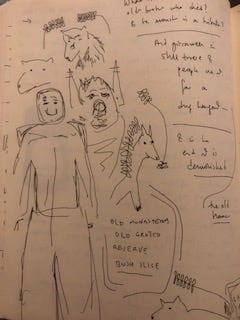
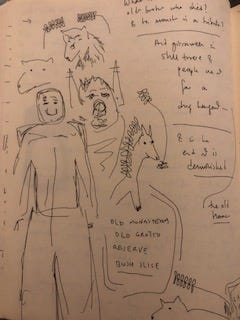
On the novel-front: doodling my way into new ideas.
“Thinking of the ways nostalgia can also be a disease.” - Screen Tests Kate Zambreno
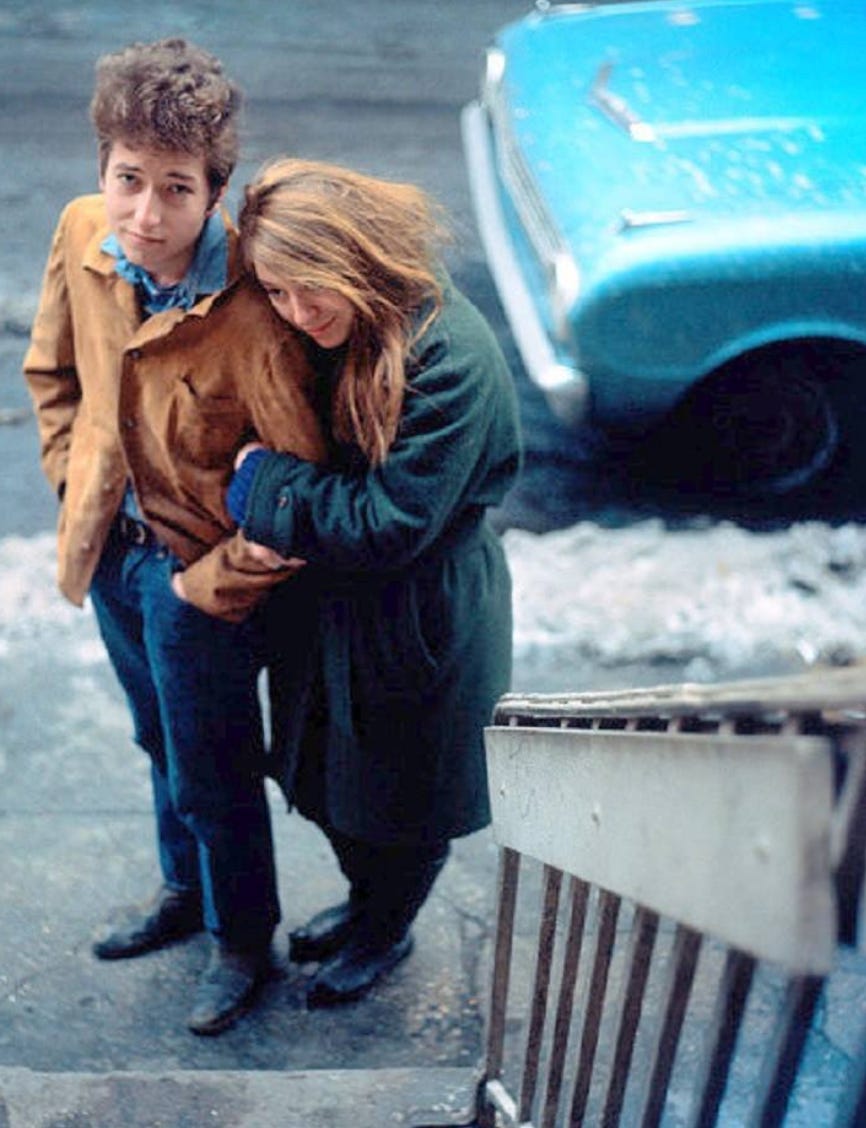
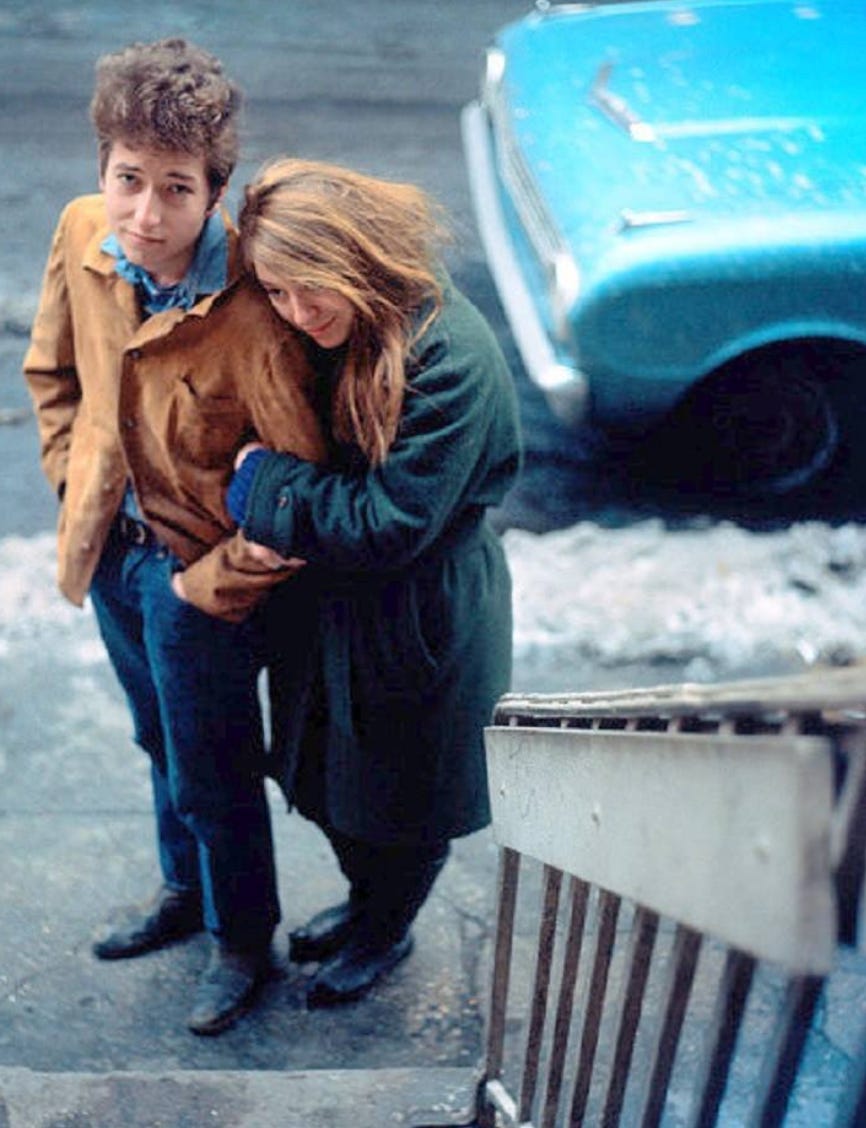
“I'll let you be in my dream if I can be in yours” - Bob Dylan
“This is Cecilia taking up the story. I think it would be most interesting to follow my movements at this point, as this is a time in my life that I am ashamed of. What people are ashamed of usually makes a good story.” - The Last Tycoon - F. Scott Fitzgerald
“The Greeks have a mythological deity called Momus, the God of mocking and fault-finding. This carping fault-finder is in each of us, and especially when it comes to writing, this critic nags and bothers us and tries to convince us that we cannot write effectively at all, why even start? Such a critic convinces us through ridicule, sarcasm and name-calling, eroding our confidence and enveloping our goals in a miasma of apathy.” Writing on Both Sides of the Brain - Henrietta Anne Klauser.
When you ruminate, when you rapid write, when you revise, whether with paper and pen or at a keyboard - you are busy processing words as the ultimate and best word processor of all - the human mind.” Also Writing on Both Sides of the Brain - Henrietta Anne Klauser. Preach!
I love this clip of David Lynch losing it (a little) - “We never get to go dreamy or anything.” (We should always get to go dreamy! )
I was moved by Read as a Boy about autism, language, love and the lyric essay by Dani Netherclift (see more on her substack)
“Life is made up of fragments. Memory is recalled in this way, and forgetfulness—and all the things we tuck away or don’t want to know, the thoughts we chase from our heads at 3AM. Fears for the future. And hope too comes in fragments that we piece together.”
A short silent promotional video from 1927 about the ‘model suburb’ Castlecrag designed by Walter Burley Griffin & Marion Mahony Griffin
Thanks for this randomised delight-full carousel.